
A Guide to Small Business Legal Requirements in Texas
Starting a business in Texas? Learn about LLC formation, the Non-Subscriber workers' comp rule, Franchise Tax limits, and the 2025 BOI reporting exemption.
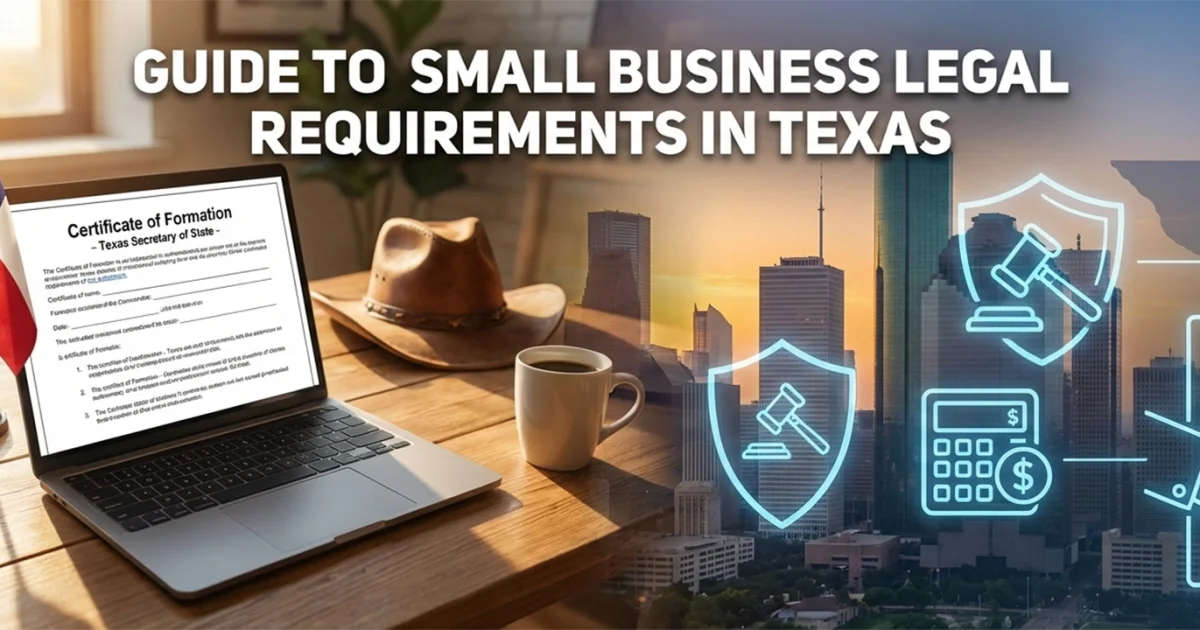
Starting a business is like going on a big adventure. It is exciting, but you need a map to make sure you don't get lost. In Texas, we love businesses. The state is famous for being friendly to entrepreneurs, which means people who start their own companies. But even in the "Wild West," there are rules you have to follow.
If you are a student dreaming of your first startup, or just someone who wants to understand how business works in the Lone Star State, this guide is for you. We will break down the scary legal stuff into easy steps.
1. Choosing Your Business "Avatar"
When you play a video game, you pick a character. In business, you pick a structure. The most common one for small businesses is called an LLC (Limited Liability Company). Why do people like LLCs? Because they protect your personal stuff. If your business accidentally breaks something expensive and gets sued, the LLC structure helps make sure you don't lose your personal car or house.
-
The Cost: To start an LLC in Texas, you file a paper called a "Certificate of Formation" with the Secretary of State. It costs $300.
-
Paperwork: You have to fill out forms. Some people hire lawyers to check these forms. You might see listings for attorney document review jobs; these are professionals who read over paperwork to make sure there are no mistakes. You want your business foundation to be perfect.
2. The Texas Tax Twist
Nobody likes taxes, but Texas is cooler than most states. We do not have a personal state income tax. That means the state doesn't take a cut of your regular paycheck. However, businesses have to pay something called a Franchise Tax.
-
The Rule: If your business makes a lot of money (usually over $2.4 million a year), you pay this tax.
-
The Good News: Most small businesses don't make that much at first, so they owe $0. But you still have to file a report every year to tell them, "Hey, I didn't make millions yet!"
Also, if you sell things like t-shirts or video games, you need a Sales Tax Permit. This lets you collect tax from customers to give to the government.
3. Hiring a Lawyer: The Old Way vs. The New Way
Eventually, every business needs legal advice. This is where things can get expensive, so you need to know the words lawyers use.
The Retainer Most business lawyers work on a "retainer." Think of an attorney on retainer like a prepaid phone plan. You pay them a big chunk of money upfront—this is called the attorney retainer fee. It might be $2,000 or $5,000. The lawyer puts this money in a bank account and takes payment from it every time they answer your email or write a contract.
The "Uber" of Law? Technology is changing this. There are new apps appearing, like Attorney Shield. The attorney shield cost is usually a small monthly subscription, kind of like Netflix. While Attorney Shield is mostly used for help during police interactions, it shows how the world is changing. Business owners are starting to look for subscription legal plans instead of paying huge retainer fees.
4. Important Papers: Deeds and Privacy
Sometimes a business involves property, like buying a small office or a warehouse. You might hear about an attorney quit claim deed. A "quit claim deed" is a fast way to transfer property from one person to another. It basically says, "I'm quitting my claim to this land and giving it to you." It’s fast, but risky because it doesn't guarantee the land is 100% problem-free. Always ask a lawyer before signing one.
Keeping Secrets You probably know that what you tell your lawyer is a secret. This is called "privilege." But did you know there are attorney client privilege exceptions? If you ask a lawyer for help to commit a crime or a fraud, that conversation is not a secret. Also, laws change if you cross state lines. If your Texas business expands to the West Coast, you should know that attorney client privilege California laws are different from Texas laws. A secret email in Texas might not be protected the same way in California.
5. Finding the Right Teammate
How do you find a good lawyer? You can't just pick the first name you see on Google.
-
Check Their Record: You want to make sure your lawyer follows the rules. In states like Illinois, you look them up on the Attorney Registration and Disciplinary Commission. In Texas, you check the "State Bar of Texas."
-
Read the Comments: Just like you check reviews before buying a game, look for attorney reviews by clients. If a lawyer has five stars and people say, "They explained things clearly," that’s a good sign.
Location Matters Be careful with brands. You might see ads for a 907 attorney. "907" is the area code for Alaska! Unless your business is selling ice in Anchorage, a 907 attorney probably won't know Texas laws. You need a local expert. Some lawyers are famous for specific things. For example, Attorney Moin Choudhury is a well-known name in New York for big injury cases. But if you need help with a Texas business contract, you don't need a New York litigator; you need a Texas business lawyer.
6. A Huge Win for 2025: No More BOI Reporting?
There was a new law called the Corporate Transparency Act that made small businesses report their owners' private info to the federal government. It was a big headache.
-
News Flash: In March 2025, the government suspended this rule for U.S. companies! This is great news because it means less paperwork for you.
Summary
Starting a business in Texas is a great opportunity. Remember:
-
Register as an LLC ($300).
-
Get your Sales Tax Permit (Free).
-
Watch your budget when paying an attorney retainer fee.
-
Stay local—don't hire an Alaska lawyer for a Texas job!
If you follow these steps, your business will be legal, safe, and ready to grow.
Related Articles



Featured Lawyers



Recommended Articles